Blog

2012

Fly Fishing Lava Lake opening weekend
May 14, 2012

            Lava Lake opened last Saturday and it’s usually really good fishing when it first opens up. Thu & I grabbed the boat and ran up on Monday morning to give it a try.

            It was a beautiful day with lots of sun, warm temps and a nice breeze for wind drifting across the lake. We set up with type 2 sinking lines, 4X leaders and set a water anchor off the side of the boat to control our drift speed. Thu started with a Prince Nymph and I tied on a good old, time tested, Olive Crane Bugger.

            Well, the Prince Nymph and you know who, got the first three fish in a row and I started to re-think my fly choice. On my next cast, my faith was restored as I hooked and landed a nice 12-inch trout. We hooked a few more with the same flies and decided start changing patterns see what else might work better. I stripped a number of different Bugger/leech patterns and Thu switched between nymph patterns. It turned out we caught fish on most everything we tried. The peacock body Carey Special and the Olive Crane Bugger were the most productive streamers and the Prince, Pheasant Tail and Bloody Mary where the best nymphs we tried. Imagine that, all those flies have peacock or peacock color in them.

            We pretty much covered the whole lake and caught fish everywhere, and sometimes in bunches! In two spots I caught 5 fish on 5 casts in a row. Out of the close to 30 fish we landed, there were only a few that went over 16 inches and the average was 11 to 14 inches. There were a few fish caught in deeper water, but most were taking at about 6 to 8 feet deep. It was a lot of fun because these fish weren’t huge, but they sure hit and acted like they were. These things will change as the water warms up, so get out there and have some fun while it’s good.


The Patient Angler

Peter Bowers


Antelope Flats Fishing Report
May 10, 2012
Antelope Flats Res., I hate to write this because, I would like to keep this quality fishery all to myself. We (Gene Gramzow and I) fished Antelope for the first time Thursday, May 10th
            We had bright sunny skies, but a little breeze kept the temperature on the cool side.
We’d heard that it was a fine fishery with strong healthy fish. Well, it exceeded our expectations in every manner. Aerial fish that averaged 16 to 18 (a few over 20) inches, broad shouldered and deep bodied made our day memorable. We fished for about 8 hours and caught and released a number of fish.
          We cast and stripped for a few minutes, then settled into a steady procession of take –downs with a chironomidae. Come into the shop, we’ll hook you up….
 
Bob C.

 
Fly Fishing Antelope Flats Reservoir
April 30, 2012

            Took a day trip on Saturday and ran out to fish Antelope Flats Reservoir with the thought of catching some trout but avoiding the opening day rush to the Cascade lakes. We made a good choice because the fishing was great and there were very few anglers on the water.

            The weather was pretty good with a warm, partly sunny day and very little wind. The water was a little dirty, which is the norm for this time of year, and had a temperature of around 50 degrees. 

            We set up sinking lines and started covering water, casting and stripping Buggers as we drifted across the lake. It didn’t take long before I was hooked up with a feisty 14-inch football of a trout that seemed to spend more time out of the water than in. Just minutes later, Thu hooked and landed a nice fat acrobatic Rainbow of 16 inches, and the game was on. 

            The action was consistent, as we seemed to catch a fish or two on every pass. I tried a number of different Bugger patterns and caught fish on everything I tried. It didn’t seem to matter what you had on, as long as you put it in front of a fish. We found parts of the lake that seemed to be void of fish, and other spots where we would get action every time we passed through.

            The fun part was that these fat 13 – 18 inch trout were so acrobatic when hooked!  We lost a few fish during the fight, while they were executing the high degree of difficulty “Triple Gainer with a Full Twist”, and I even had one break me off on the take.              

            It was a fun day, but the wind and cloud cover started to rapidly increase in the afternoon, so we decided to call it a day and head for home.


The Patient Angler

Peter Bowers


Fly Fishing For Bull Trout on Lake Billy Chinook
April 18, 2012

            Bob has been fishing Lake Billy Chinook for Bull Trout the last few weeks and has had some really good days out there casting and stripping streamers for these really aggressive fish. Bob asked me if I wanted to go, and I jumped at the chance to cast streamers to these piscivores.

            With what looked like a beautiful day ahead, we headed out to Billy Chinook with Bob’s boat in tow and a cup of coffee in hand. The weather remained calm with very little wind, warm temps and mostly sunny skies until late afternoon, when the wind kicked up a bit and a light rain started to fall.

            We motored out and started to cover some of the productive water that Bob had recently fished. The day started out pretty slow, with a lot of casting and only a couple follows and one fish on for a few seconds. We moved to another area and the action started to pick up for us, with a lot more follows and another fish on & off. We soon found a few spots that seemed to hold fish and had some action every time we made a pass. We landed five Bull Trout that ran from 16 inches to 22/23 inches, not the monsters that we were looking for, but still a lot of fun.

            We had takes and follows on a number of different patterns, but I got the feeling that we never really had it dialed in because of the number of follows we got without a take. They definitely seemed more attracted to the movement of the fly, than the color of the pattern. Baitfish patterns like the Mushie saltwater fly or Deceivers are good imitations of the Kokanee the Bulls like to eat.

            I was fishing a new Rio Outbound Short type 6 sink-tip with the intermediate running line. This is a boomer of a line when throwing big streamers, needing to get down right away and staying in the zone when stripping fast.

            It wasn’t a big fish or number day, but it was a fun day on the water. You know what they say; “ a slow day on the water is better than a good day at work!”


The Patient Angler

Peter Bowers


Fishing the Deschutes River
April 2, 2012

With Monday tuning out to the best weather we've had in a while and with my overwhelming need to wet a line, I played hooky and bailed out of work at lunch to go fishing. With limited time, I stayed in town for a little urban fishing and hiked down below Benham falls to see what I could find.

 The first thing that I found was that I had the river all to myself. There was a great BWO hatch going on, but in the beautiful bright sunshine there were no fish looking up for them. So, I set up a nymph rig with a stonefly lead and an Anatomay BWO as a dropper, and started working the water below the falls. I hooked four Whitefish on the little BWO nymph before I hooked my first little Rainbow trout. It was a feisty little Rainbow of about 11 inches and had my small baetis nymph pinned in the corner of his mouth.

The big fish hunter in me decided to switch over to a streamer in search of a big Brown Trout. I fished through a few spots swinging and stripping a weighted scuplin pattern through possible holding water as well as a few likely ambush spots that had structure like logs jams and undercut banks. I eventually hooked a nice Brown Trout in a drop-off pool, but it wasn’t the big dog I was looking for. He was still a respectable fish with a length around 14 inches, and the will of a much bigger fish. As I released this small Brown into the cool waters of the Deschutes River, I had to admire him for his predatory nature and making my efforts worthwhile.

I fished through a couple more spots without any streamer love, and called it a day. The lure of a cold adult beverage from the Deschutes Brewery seemed like a good way to cap off an afternoon on the water.


The Patient Angler             

Peter Bowers


Patagonia Rock Grip Wading Boots #3
March 15, 2012

            Patagonia Rock Grip Aluminum Bar Wading Boot  (part 3)


I put a few more miles on the new Rock Grip Aluminum Bar wading boots during my recent trip down to the North Umpqua River.  The North Umpqua is one of the trickiest places to wade in the entire Northwest, so I was eager to see how they would work in those conditions. Well, they worked just fine! I was impressed with the overall traction, especially when I was forced by the higher water to wade a little deeper in some places. I even felt that the aluminum bars dug into the softer soil and pine needles while climbing up & down the banks, better than a standard studded felt sole.

The synthetic outer of the boot seems to be holding up very well so far. After 14+ days on the water, there is no obvious damage showing on the outer boot.

Since I’m a heel & toe dragger when I walk, I still not sure about the longevity of the aluminum bars, but time will tell. I keep you up to date on their performance as I put more days on them.


North Umpqua Winter Steelhead
March 11, 2012

            I’ve been away from home waters for about a month now and I was really getting the itch to swing a fly for steelhead, so Thu and I headed down to the North Umpqua last weekend to scratch that itch.  I had checked the forecast before we left and knew we were heading into some bad weather and most likely a bump in the water levels, but we were desperate to fish and went anyway.

            We arrived to find the river at a constant 1,700cfs, with that winter emerald color and a temperature of 41 degrees. We geared up and started fishing our way downriver heading for Glide where we were staying for the night. After fishing a couple of spots upriver without and luck, we were driving past camp water in the middle of the day and noticed that there was nobody fishing. Not a common sight in the most fabled waters of the North Umpqua River, so we turned around and headed for the trailhead to the camp water. We hiked down the trail and stepped into one of the most popular runs and started working our flies through the green water. I did manage to get a hookup about halfway through the run, but it was short lived. My line came tight, there was the confirming headshake of a fish with 10 feet of line slipping from my reel and then everything went slack. I hate it when that happens!!!

            We continued fishing downstream and with every little nook and cranny along the road gushing with runoff as well as all the major tributaries, we could see the river starting to get bigger and a little more off color the farther downstream we got. We opted for a hot shower, an early dinner and a couple games of cribbage (let just say, I didn’t win).

            The next day was a wet one with intermittent rain showers mixed with short heavy downpours. The river was definitely getting bigger and the flows increased close to 300cfs during the day while we were fishing. We decided to drive upstream and start in the fly water since the river seemed to be getting bigger by the hour and was pretty off color in the Glide area. We had a lazy morning and got on the water late, so when we arrived at the run we wanted to fish, there was already someone parked in the turnoff. I knew they were probably the first one through and should be about finished, so I hiked down the road to take a peak, and sure enough a spey fisherman was close to the end of the run. When the run was free, Thu & I hiked down and split up the run. We fished through run in the rising water and hooked a few really nice sea-run Cutthroats that ate our flies on the swing. As I approached the end of the run and just as I swinging what I thought would be my last cast before I reeled up to move to a new spot, a bolt of electricity shot up my line and into my rod with a hard hitting fish that just hammered my fly and scared the crap out of me. Then the fight was on! This fish jumped from the water and shot downstream ripping line from my reel well into my backing and into the tailout in seconds. There was no way I could follow the fish through the next set of rapids, so I put the heat to her thinking it was now or never, and she finally turned her head and stopped at the end of the tailout. I slowly took line and she dogged me all the way up stream with short bursts just to let me know she was still there. I finally got her around some big boulders and brought her to hand for a quick photo and release.

            We fished two other spots working our way upstream with no other takers. The weather was getting pretty bad with rain turning to snow and the water wasn’t getting any better, so we decided to call it a day and head home. There’s always another day and I was lucky enough in the short time that we fished, to get some action and land a beautiful wild North Umpqua Steelhead.

            Remember, this is the time of year when these beautiful fish start to move onto the spawning beds. Watch out for spawning fish and avoid fishing or wading over spawning beds. If you find some active fish, sit down and watch for a while. It’s amazing what you learn just buy watching them.


The Patient Angler

Peter Bowers


Patagonia Rock Grip Wading Boots #2
March 1, 2012


            I have received a number of comments and questions about our past Blog about the new Patagonia Rock Grip Wading Boots, so here’s a little more information to answer some of your questions.

            The most common question is about how long the aluminum bars will last before needing replacement. First you have to realize that the wear will be determined by individual conditions and use. That being said, the aluminum bars are 3/8 inch thick when new and tend to round off quickly during the first couple of days of use, giving the impression of premature wear. I have noticed that the more I wear them, the slower the obvious wear. Patagonia estimates the bars to last an average 100 days on the water. I’m not sure if I will see 100 days or not, but the system is designed for easy replacement and at a cost that is comparable to industry standards.  I believe the price is $34.95 for a set of replacement bars.

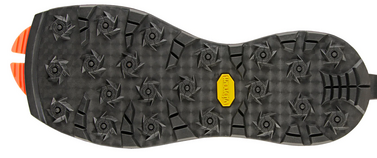
            The other item that customers have been asking about, is whether products like the AlumiBite Cleat from SIMMS are interchangeable with the Patagonia’s Aluminum Bars. The answer is no. The Patagonia Aluminum Bars are held in place with bolts that screw into threaded nuts that are recessed in the bottom of the Rock Grip boot. The SIMMS AlumiBite Cleats are attached to the bottom of the boot with a sheet metal type screw. The Rock Grip boot has two bars on the back and four bars on the front, but just bare rubber on the arch. I might suggest screwing a couple studs or cleats into the arch of the Rock Grip boot for added traction when stepping on wet logs and such with the arch of your foot.  

            I’ll keep you updated with anything of interest as we a get a few more days on them.


The Patient Angler


Your Local Fly Shop
February 21, 2012

Your local fly shop By Kevin Jurgens


Learning the sport of fly fishing is no small feat….like many other sports, it is very complicated and involves a lifetime of practice, intution, instruction, and trial and error.  Learning how to cast is one thing; add entomology, presentation techniques, fly tying, rod building, leader and tippet science, line science, and soon a degree in Electrical Engineering seems easy.  “How” to fly fish is complemented by “where” to fly fish, a lifetime of experience and an inventory of coveted locations that represent geographic places on earth you prefer to “wet the line”.

With all of this to learn, share, and research, it is no wonder that Fly Shops are a very integral part of the Fly Fishing Experience.  From my own experience, they have been a major factor and influence on every aspect of the sport, and have left many memorable impressions on my journey.  I learned to Fly Fish in college, and after the affliction caught on,  I spent more time in the fly shop than in the classrooms.  If truth be known, I got a degree in Fly Fishing with a minor in Business Marketing.

Fly Shops are more than a place to purchase products.  They are a culture, a conduit, a chat room, and a myspace.com for meeting other like-minded fisherman.  They offer more of a “hands on” approach to learning the sport than anything you can find on the web or in a superstore.  Even though fly fishing is a quiet, independent sport, sharing those experiences with others is equally important, and equally important is the FREE knowledge from professionals that steepens the learning curve of the sport.

We all get caught up in the chase to find the best “deals” on fishing gear.  The web has provided that comparison model for finding the best prices.  Our first inclination is to forget about the local shops to save a couple of bucks at the superstores….more often we forget to even give the shop a chance at price matching.  The “volume” model has swallowed corporate America….it is seen by the big biz. as the future in retailing;  offer the most for the least and with 100’s of stores, snatch up all the market share.  This works great for groceries, but not necessarily for the fly fishing industry.

Your local fly shop is feeling the squeeze from the giants.  Fly shops across the nation have been financially unable to continue and have thus closed their doors.   While some need to step up to the plate, others who have a good swing already are striking out.  Just remember your local guys the next time you decide to save $1.50 by going to the giants.  You just might not have them around, and an important part of the sport will be gone forever.

Kevin Jurgens
Fisheyesoup.com


Redfish on the fly in South Carolina
February 14, 2012

 
Fly Fishing for Redfish in Charleston, S.C.
February 1, 2012

            Just got back from a great trip to Charleston, S.C. to visit a good friend on mine and to fly-fish for Redfish. I had never been to Charleston before and was looking forward to exploring the city as well as the Red fishing.

            The weather was great for us, with above average temperatures and plenty of sunshine, which you tend to appreciate more when you live in a place that’s much colder during the winter months. We did have a good amount of wind that we had to deal with while fishing. Not only is it harder to cast in the wind, but the wind also tends to churn up the water & muddy bottom making for poor visibility and spotting fish more difficult. You can still find fish, but you have to look for muds (dirty spots where feeding fish have stirred up the bottom), or nervous water (a disturbance on the surface caused by moving fish below).

            We fished most days and found fish on every occasion. We were casting & stripping baitfish patterns to small schools of Redfish in open water or along grass flats depending on the height of the tide. During the summer months, you would target fish that were tailing on the grass flats feeding on crabs.

            Redfish are a big-shouldered saltwater fish that can run in size from a juvenile fish of a couple pounds (called a rat), to upwards of 40 lbs. or more. They readily take flies when presented properly and put up a bulldog of a fight when hooked. Our most productive fly was an Enrico Puglisi baitfish pattern tied on a 1/0 hook, although we did catch a number of fish on other deceiver style patterns. Casting accuracy and presentation seemed to be more important than the actual fly pattern used.

            We caught lot of Redfish that ran between 5 and 15lbs, and enjoyed being able to see most of the takes. On the worst of our water visibility days, we would spend a lot of time blind casting to where we thought the fish were based on muds and nervous water, but the best was when the water was clear enough to sight cast to small schools of feeding fish.

            We were fishing Winston 7wt. BII-MX fast action rods with floating Redfish lines & 16lb. Redfish leaders, which was the perfect set-up for the size of fish we were catching and fighting the wind.

            The amazing thing about this great fishery is that it’s available right in town or just minutes from anywhere. You can hook up the boat at home, drive to the water, launch and be fishing for Redfish in less than 30 minutes. Now that’s urban angling at its finest.


"A Backyard in Nowhere" DVD Review
January 9, 2012

We just got in the DVD A Backyard in Nowhere for our rental library. The movie follows a group of friends as they travel to remote Alaska to chase pike on the fly. They have some awesome footage of big pike smashing surface flies along with a pretty entertaining story line. If you like the new style of fly fishing movies then A Backyard in Nowhere is definitely worth watching.