Whether you're buying or tying, read this guide on our favorite winter patterns.
Winter fishing requires a different approach to fly selection. As water temperatures drop, fish become less active and more selective about what they eat. The flies that work best during winter months are typically smaller, more subtle patterns that match the slower pace of winter feeding.
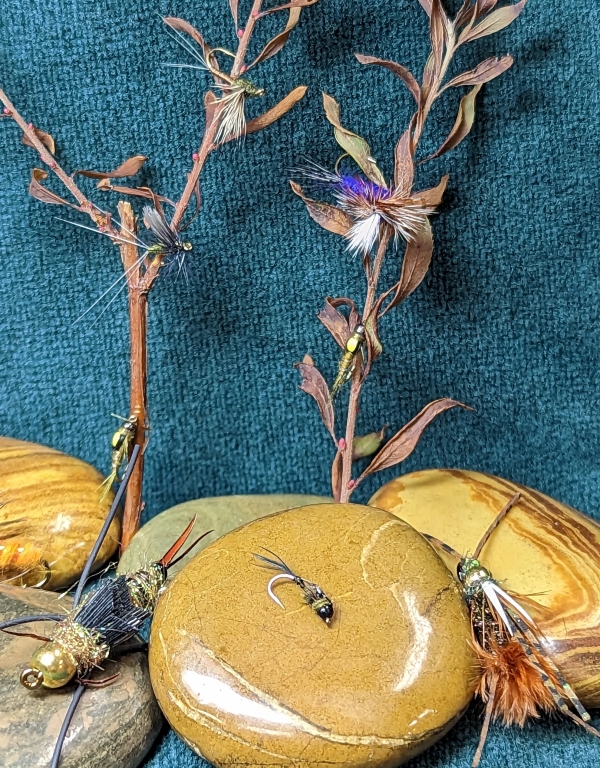
Nymphs are the bread and butter of winter fishing. Patterns like the Zebra Midge, Pheasant Tail, and small stonefly nymphs in sizes 16-20 are consistently productive. These patterns imitate the aquatic insects that remain active throughout the winter months.
For dry fly enthusiasts, midge patterns become essential. Small midge emergers and adult patterns in sizes 18-24 can produce excellent results, especially during warmer winter afternoons when midge hatches occur.
Streamers can also be effective during winter, particularly for larger fish. Slow, deliberate retrieves with smaller streamer patterns often outperform aggressive stripping techniques. Patterns like the Woolly Bugger and small sculpin imitations work well.
When selecting winter flies, focus on patterns that are easy to see in low light conditions and that can be fished slowly and precisely. The key to winter success is patience and presentation over pattern selection.